


Anyone in cross-border trade knows this: Products make money, but supply chains keep you alive.
Especially for China–Australia logistics, where weather, policies, port efficiency and peak-season congestion can disrupt your plan at any time.
Today your delivery is on time; tomorrow it might be delayed by 10 days.
That’s why mature companies never “bet on luck.”
They always prepare at least three backup strategies (Plan A / B / C) to keep the supply chain running smoothly.
This rticle breaks it down into three parts:
RouteBackup · Inventory Backup · Partner Backup
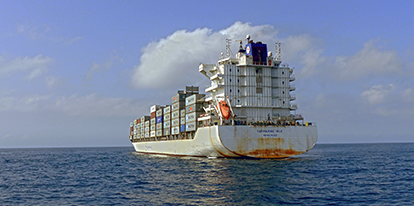
1. Route Backup: Your Goods Need a Second “Escape Path”
Transportation is the most disruption-prone part of cross-border trade.
To stay stable, you need diversified routes.
1) Sea + Air: The Classic Dual-System Setup
• Primary channel: Sea freight (FCL / LCL) — cost-effective, the foundation for most businesses
• Backup channel: Air freight / Express — used for urgent replenishment to avoid stockouts
When sea freight delays, sending even 10–20% of your inventory by air can keep sales running.
2) Within Sea Freight: Direct vs. Transshipment Routes
• Direct service: fast, stable, but easily overbooked in peak season
• Transshipment: a few days slower, but far more flexible and less likely to skip ports
Real supply-chain resilience comes from using both.
3) Multiple Carrier Strategy: Never Rely on Just One Shipping Line
Prepare 2–3 different carriers:
One with strong on-time performance, one with better pricing, and one with flexible transshipment networks.
If one carrier has issues, you can switch immediately without business interruption.
2. Inventory Backup: Where You Store Goods Matters More Than How You Ship Them
Many companies have great products but still suffer from stockouts.
The root cause often isn’t the logistics—it’s inventory positioning.
1) Mainland China Warehouse: The Main Inventory Hub
• Bulk storage
• Lower costs
• Better control and production scheduling
But once ocean freight is delayed, everything stops.
2) Australian Overseas Warehouse: Your Stability Buffer
Critical for:
• Fast local delivery (1–5 days)
• Buffering ocean freight delays
• Handling peak-season overflow
• Managing returns, relabeling, and replacements
An overseas warehouse is essentially your “anti-uncertainty insurance.”
3) Transit / Safety Stock Warehouses: A Triple-Point Structure
Bigger sellers often add a third node:
• China transit warehouse for consolidation and mix-loading
• Australian safety-stock warehouse for emergency replenishment
Ideal for businesses with large SKUs or fluctuating order volumes.
3. Partner Backup: Never Depend on a Single Freight Forwarder
Most supply-chain failures come from one issue: over-reliance on a single service provider.
1) Two Freight Forwarders: The 70% + 30% Rule
• Main forwarder: 70–80%
• Backup forwarder: 20–30%
Benefits:
• Better pricing leverage
• More access to space in peak season
• Different forwarders specialize in different product categories
If one fails, your business won’t stop.
2) Backup Customs Teams: Category-Based Clearance
• Food / supplements → Teams familiar with FSANZ
• Battery products → Teams with MSDS experience
• Home goods → Standard clearance channels
Category-based clearance reduces inspection and detention risk significantly.
3) Last-Mile Redundancy: Express + Special Line + Local Trucking
Australia is vast and sparsely populated, making last-mile delivery volatile.
Prepare:
• Primary: AusPost / StarTrack
• Backup: Toll / Aramex / Special-line networks
• Furniture & bulky goods: local truck delivery
More last-mile options = fewer negative reviews.
Final Thoughts: Stability Isn’t a Cost—It’s Your Strongest Competitive Edge
A truly competitive supply chain is built like this:
• Routes have alternatives (Plan A / B / C)
• Inventory is distributed (China warehouse + AU warehouse)
• Partners have redundancy (forwarders / customs / last-mile)
When others are delayed, out of stock, or stuck in peak-season chaos,
you can keep shipping steadily—this is your hidden moat.
